
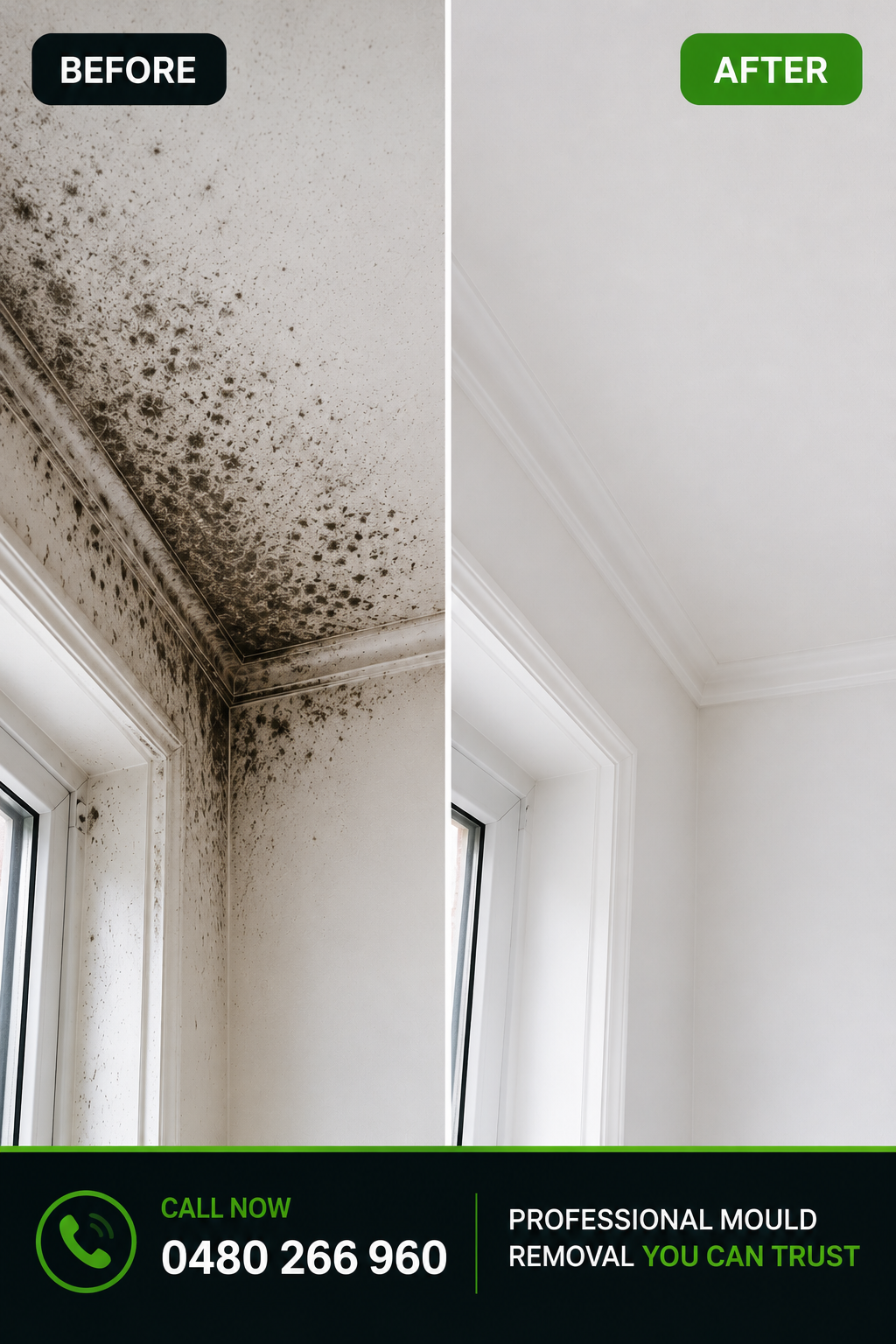
If you live in Sydney, mould is almost a fact of life. Our humid summers, damp coastal air and the city’s many older terraces, apartments and brick homes create exactly the warm, moist, poorly-ventilated conditions mould loves. One rainy week in a Bondi unit or an Inner West terrace and you can find black spots creeping across the bathroom ceiling or around the bedroom windows.
The good news: most household mould can be removed safely yourself with the right method. This guide walks through exactly how to get rid of mould on walls, ceilings, bathroom tiles, windows and in the bedroom — what actually works, what to avoid, and how to stop it coming back in Sydney’s climate. If the mould is widespread or keeps returning, we’ll also explain when it’s time to call a professional mould cleaning service in Sydney.
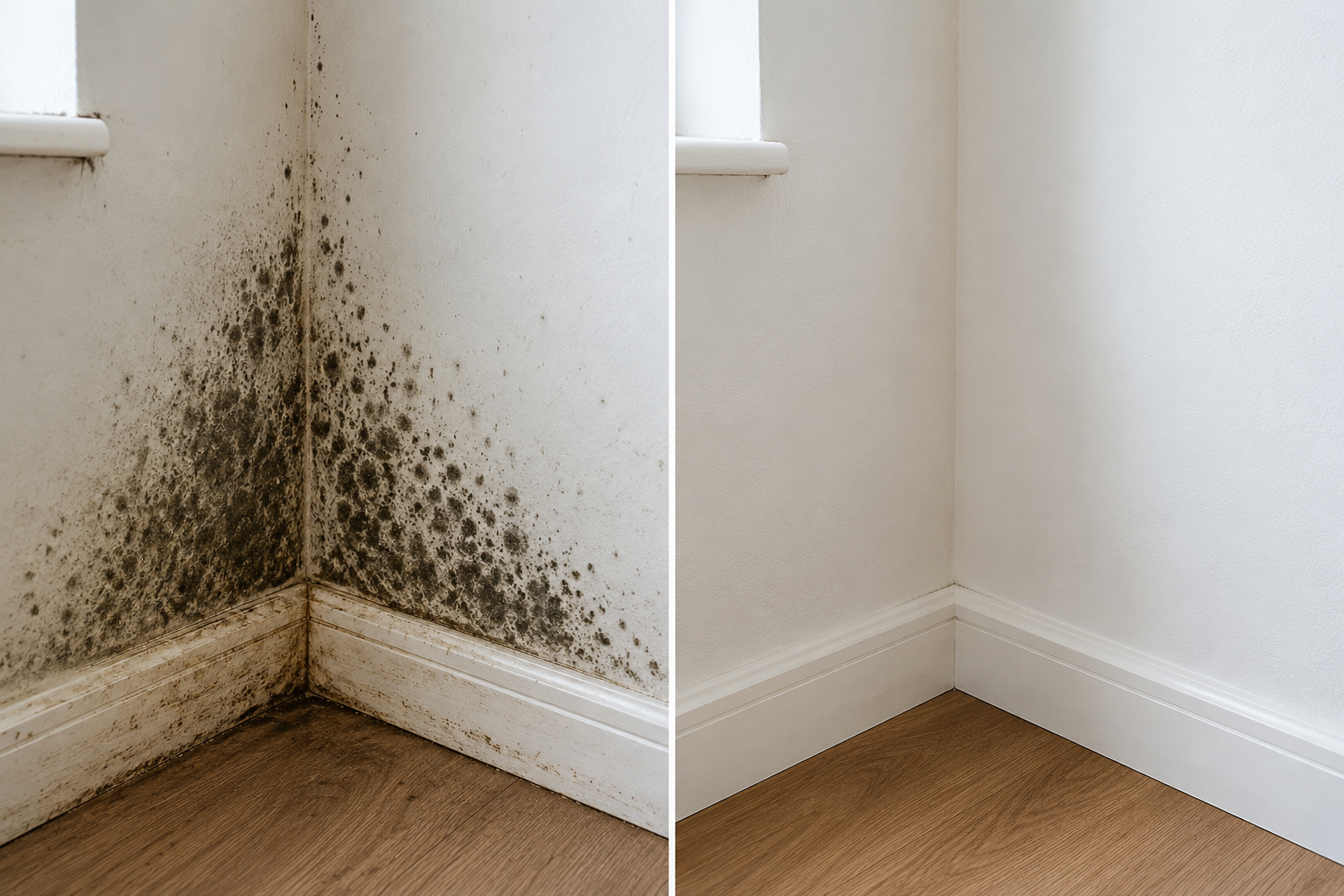
Why mould is so common in Sydney homes
Mould spores are everywhere in the air — they only become a problem when they land on a damp surface and start to grow. Sydney gives them plenty of chances:
- High humidity. Summer humidity regularly sits above 70%, and that moisture settles on cooler surfaces like ceilings, tiles and window glass.
- Coastal damp. Homes near the beaches — Bondi, Coogee, Maroubra — cop salt air and sea moisture year round.
- Older housing stock. Federation and Victorian terraces in Paddington, Newtown and Marrickville often have poor ventilation, single-glazed windows and rising damp.
- Apartments with little airflow. Internal bathrooms and bedrooms with no window trap steam from showers and cooking.
- Wet winters. Long rainy spells keep walls and subfloors damp for days.
Wherever moisture lingers and air doesn’t move, mould follows. That’s why bathrooms, bedroom windows and north-facing external walls are the usual hotspots.
Is the mould dangerous? When to call a professional
A small patch of surface mould — say, under 1 square metre on a hard surface like tile or glass — is generally safe to clean yourself with basic protection. But you should stop and call a professional if:
- The affected area is larger than roughly 1 square metre, or covers multiple rooms.
- Mould keeps returning within days or weeks of cleaning (a sign of a hidden moisture or leak problem).
- It’s growing on porous materials like plasterboard, carpet, insulation or behind walls.
- Anyone in the home has asthma, allergies or a weakened immune system.
- You can smell strong musty odours but can’t find the source.
If your home smells musty even after cleaning, that’s usually a moisture issue, not just a surface one — our guide on how to get rid of musty odour in the house covers that side in detail.
What you’ll need
Before you start, protect yourself — disturbing mould releases spores into the air.
- Rubber gloves and a P2 face mask
- Safety glasses
- White vinegar (the most effective everyday mould killer)
- A spray bottle
- Microfibre cloths and an old toothbrush or soft scrubbing brush
- Warm soapy water
- Good ventilation — open windows and run an exhaust fan
A note on bleach: bleach is popular but it mainly removes the colour of the mould rather than killing the roots, especially on porous surfaces. For most Sydney households, white vinegar is the better first choice.
How to get rid of mould on walls and ceilings
- Ventilate the room and put on your gloves and mask.
- Spray undiluted white vinegar directly onto the mould and the area around it. Don’t dilute it — full-strength vinegar kills around 80% of mould species.
- Leave it to sit for at least an hour so it can penetrate the surface.
- Wipe the area with a damp microfibre cloth. For textured or painted walls, use a soft brush to work into the surface.
- Dry the area thoroughly with a clean cloth — leaving it damp invites the mould straight back.
For ceilings, the same method works, but be careful of drips into your eyes — safety glasses matter here. If mould has stained painted plasterboard and won’t lift, the paint surface may be compromised and need repainting with a mould-resistant paint once fully dry.
How to get rid of black mould in the bathroom
Bathrooms are Sydney’s number-one mould zone — constant steam, warm surfaces and often poor ventilation. Black mould commonly appears on grout, silicone sealant and the ceiling above the shower.
- Spray white vinegar over tiles, grout lines and sealant. Let it sit for an hour.
- Scrub grout and corners with an old toothbrush.
- For stubborn black mould in silicone, make a paste of bicarb soda and a little water, apply it over the line, spray with vinegar, leave 30–60 minutes, then scrub and rinse.
- Rinse with warm water and dry everything off.
- If the silicone sealant is badly stained right through, it’s cheaper and cleaner to cut it out and re-seal than to keep scrubbing it.
Sydney tip: run your exhaust fan during and for 20 minutes after every shower, and squeegee the glass — this single habit prevents most bathroom mould.
How to get rid of mould around windows and window sills
Condensation collects on cooler glass overnight, and the moisture pools on the sill — classic in single-glazed terraces and apartments.
- Wipe away loose mould with a damp cloth first (don’t dry-brush it — that spreads spores).
- Spray the glass, frame and sill with white vinegar and leave 30–60 minutes.
- Scrub the corners and the rubber seals with a toothbrush.
- Wipe clean and dry completely.
- Going forward, wipe condensation off windows each morning in winter, and open windows daily for cross-ventilation.
How to get rid of mould in the bedroom
Bedroom mould often hides behind furniture pushed against external or south-facing walls, where air can’t circulate. You may notice it as small black spots on the wall, a musty smell, or mould on the back of a wardrobe.
- Pull furniture away from external walls by a few centimetres to let air move.
- Treat any visible wall mould with the vinegar method above.
- Check for mould on mattresses, curtains and behind bedheads.
- Use a dehumidifier in damp months — keeping indoor humidity below about 60% stops mould growing.
- Open the bedroom window for 10–15 minutes each morning, even in winter.
Natural mould removal: vinegar vs bleach
The most common question we hear from Sydney clients is whether to use bleach. Here’s the honest answer:
- White vinegar penetrates porous surfaces and kills the mould at the root. It’s safe, cheap and the best all-round choice for walls, grout and timber.
- Bleach bleaches the mould white so it looks gone, but on porous surfaces the roots survive and regrow. It also gives off harsh fumes. Save it for non-porous surfaces only, and never mix it with vinegar or ammonia.
- Bicarb soda is a great companion to vinegar for scrubbing and deodorising.
For natural, family- and pet-safe mould removal, vinegar plus bicarb does the job in the large majority of household cases.
How to stop mould coming back in Sydney’s climate
Removing mould is only half the battle — if the moisture stays, it returns. To keep it away:
- Run exhaust fans in the bathroom and kitchen, and during cooking.
- Open windows daily for cross-ventilation, especially after rain.
- Use a dehumidifier in the wettest months and keep humidity under 60%.
- Fix leaks, dripping taps and blocked gutters promptly.
- Keep furniture slightly away from external walls.
- Dry washing outside rather than indoors where possible.
- Wipe down condensation on windows and tiles.
When to call a professional mould cleaning service in Sydney
If mould keeps coming back, covers a large area, or is growing on porous materials and inside walls, DIY cleaning only treats the symptom. A professional service treats the source, removes mould safely without spreading spores through your home, and helps prevent regrowth — which matters especially for renters facing an end-of-lease inspection, where visible mould is one of the most common reasons a bond is withheld. (Our end of lease cleaning includes tackling these problem areas.)
Clean Effortlessly provides professional mould removal and cleaning across Sydney — fully insured, police-checked cleaners using safe, effective products. Tell us about your place and get a fixed quote in under 60 seconds.
Get your free mould cleaning quote →
Or call our local team on 0489 266 960.




Frequently asked questions
What kills mould best — vinegar or bleach?
White vinegar is more effective for most household mould because it penetrates porous surfaces and kills the roots. Bleach only removes the colour on porous surfaces, so the mould regrows. Use full-strength white vinegar, leave it an hour, then wipe and dry.
How do I get rid of black mould on the bathroom ceiling?
Spray undiluted white vinegar over the affected area, leave it for an hour, then wipe with a damp microfibre cloth and dry thoroughly. Run the exhaust fan during and after showers to stop it returning. If the mould has soaked into painted plasterboard and won’t lift, the ceiling may need repainting with mould-resistant paint.
Why does mould keep coming back in my Sydney home?
Recurring mould almost always means there’s an ongoing moisture problem — high humidity, poor ventilation, a leak, or condensation. Until the moisture source is fixed, surface cleaning will only be temporary. Improve airflow, use a dehumidifier, and if it persists, get a professional to find and treat the source.
Is household mould dangerous?
Small patches of surface mould are generally safe to clean yourself with gloves and a mask. Larger infestations, or mould in homes with asthma or allergy sufferers, can affect health and should be handled professionally.
Can I remove mould myself or do I need a professional?
You can usually handle a small area (under about 1 square metre) on a hard surface yourself. Call a professional if it’s widespread, keeps returning, is on porous materials like plasterboard or carpet, or if anyone in the home has respiratory issues.